Understanding GPS Personal Alarms: What They Do and How They Work
A straightforward look at GPS personal alarms
If you are helping an older relative stay safe at home or while out and about, you may have come across the term "GPS personal alarm". The name suggests something that combines location tracking with an emergency call button, but the details can be confusing. This article explains what these devices are, how they work, and what they can mean for daily life.
A GPS personal alarm is a wearable device that lets the wearer call for help at the press of a button. Unlike older medical alert systems that worked only inside the home, these alarms use satellite technology to know where the wearer is, so help can be sent even if the person cannot speak or does not know their own location.
The basics: what a GPS personal alarm does
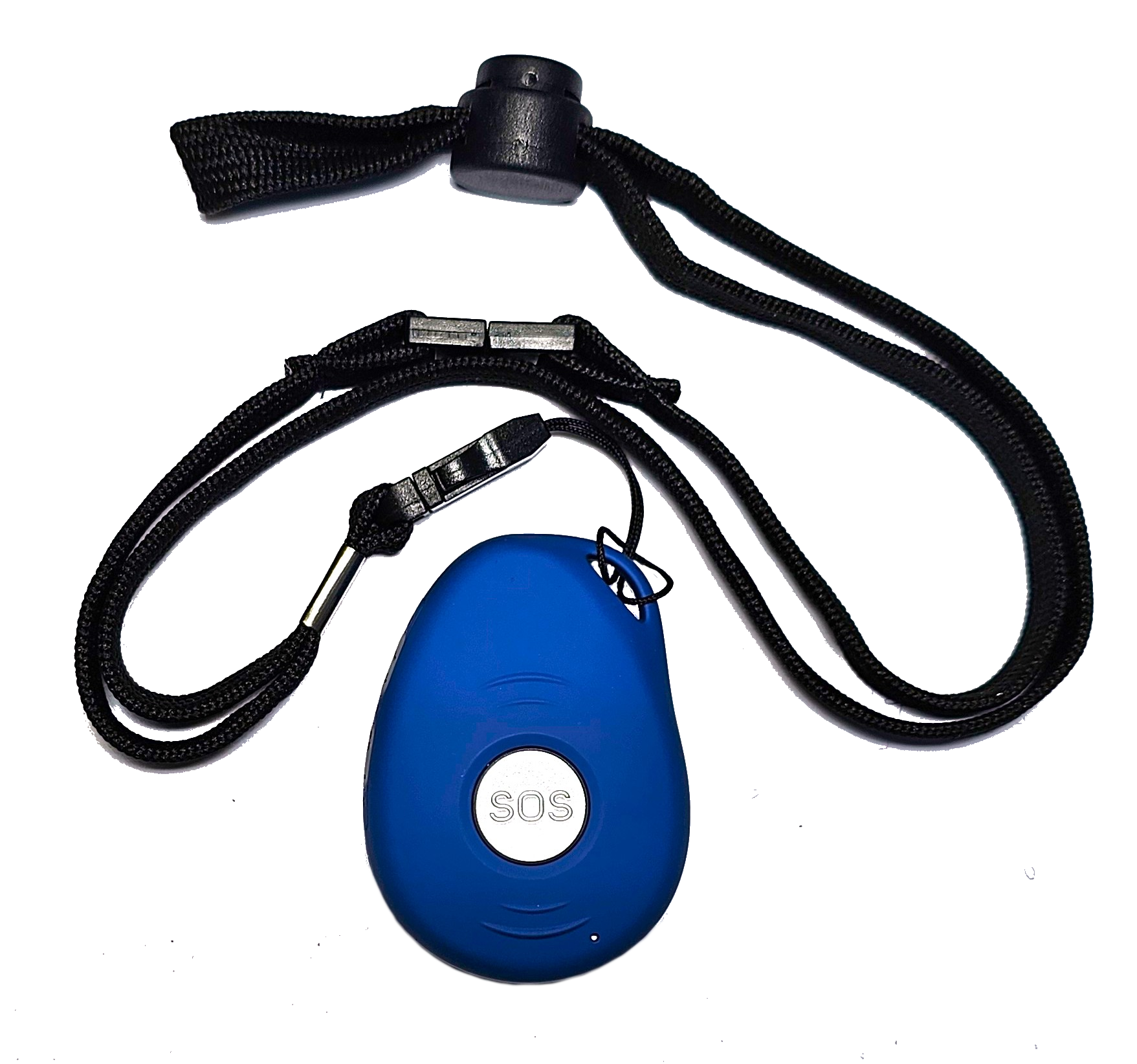
At its simplest, a GPS personal alarm is a small device worn on the wrist, around the neck, or clipped to clothing. It contains a GPS receiver, a cellular transmitter, and a speaker and microphone. When the wearer presses the SOS button, the device sends an alert to a monitoring centre or a list of emergency contacts. The alert includes the person's location, so responders can find them quickly.
Many models also include automatic fall detection. If the wearer falls and cannot press the button, the device can trigger the alarm on its own. This is a key feature for people who live alone or have medical conditions that increase the risk of falls.
How GPS tracking works in a personal alarm
The GPS part of the device communicates with satellites to determine its precise latitude and longitude. This information is then sent over a cellular network to a response centre. In open outdoor areas, GPS is usually accurate to within a few metres. In cities with tall buildings or indoors, the signal may be weaker, but many devices combine GPS with Wi-Fi or cellular tower triangulation to maintain accuracy.
It is worth noting that the location data is only sent when the alarm is activated. The device does not continuously broadcast the wearer's location, which addresses common privacy concerns. The wearer can go about their day without being tracked unless they need help.
Two-way voice communication
One of the most practical features on modern GPS personal alarms is two-way voice communication. When the alarm is triggered, the wearer can speak directly with a trained responder. This allows the responder to assess the situation, reassure the person, and decide whether to send an ambulance, a family member, or simply stay on the line until the person is calm.
This feature is especially useful when the wearer has fallen but is not seriously injured. They can explain that they just need help getting up, which avoids an unnecessary ambulance callout. It also provides peace of mind for family members who know that their loved one can talk to someone immediately.
Wearing options and everyday use
GPS personal alarms come in several form factors. Some are designed to be worn like a wristwatch, which is familiar and always at hand. Others are pendants that hang around the neck, which can be easier to reach for people with arthritis or limited hand mobility. There are also clip-on models that attach to a belt or pocket.
The choice depends on the wearer's habits and comfort. A wrist-worn device is more likely to be worn consistently, but some people find a pendant more comfortable. The important thing is that the device is worn at all times, especially during activities where a fall is more likely, such as bathing, gardening, or walking the dog.
No monthly fees and what that means
Traditional medical alert systems often come with ongoing monthly contracts. Some GPS personal alarms are sold with no monthly fee, which can simplify budgeting. Devices without fees typically use a prepaid cellular connection that lasts for the life of the device, or they rely on a built-in SIM card with a fixed term.
When comparing options, it is worth checking what the no-fee arrangement covers. Some devices may still require a small upfront payment for the SIM or for the monitoring service. Others, like those from familyr.co.nz, include all monitoring and cellular costs in the purchase price, so there are no surprises later. Always read the fine print to understand exactly what is included.

Fall detection: how automatic sensors work
Automatic fall detection uses accelerometers and gyroscopes inside the device to detect sudden changes in motion and orientation. When the device senses a fall, it sends an alert automatically. This is a valuable safety net for people who might be knocked unconscious or disoriented by a fall.
However, no fall detection system is perfect. Some falls may not be detected, and some sudden movements like a strong cough or a car braking may trigger a false alarm. Most devices allow the wearer to cancel a false alarm within a short window, which prevents unnecessary callouts.
For the best protection, look for a device that combines automatic fall detection with a manual SOS button. That way, the wearer has two layers of safety: they can press the button themselves, and the device will also act if they cannot.
What to consider before choosing a GPS personal alarm
There are several factors to weigh when selecting a device for yourself or a family member.
- Battery life: Most devices need charging every few days. Some have replaceable batteries that last months. Consider how often the wearer will remember to charge it.
- Water resistance: A device that can be worn in the shower is important, as many falls happen in the bathroom. Look for an IPX7 or higher rating.
- Coverage area: Check that the device works in the areas where the wearer spends time, including rural locations if they live outside a city.
- Ease of use: The SOS button should be easy to find and press, even in a panic. Large buttons and clear labels help.
- Warranty and support: A good warranty gives peace of mind. Also check what kind of customer support is available if something goes wrong.
How to set up a GPS personal alarm
Setting up these devices is usually straightforward. The wearer or a family member needs to charge the device, activate it through a companion app or website, and enter emergency contact details. Some devices require a simple SIM card activation, while others come pre-activated.
Most manufacturers provide a quick start guide, and many offer a test mode so you can confirm the device is working before it is needed in an emergency. It is a good idea to test the alarm monthly and after any firmware updates.
The real-world benefit for older adults
A GPS personal alarm can make a meaningful difference to an older person's independence. Knowing that help is only a button press away can reduce anxiety about living alone or going out alone. For family members, it can reduce worry and the pressure to call or check in constantly.

In New Zealand, where families are often spread out and rural areas can be remote, having a device that works beyond the home is particularly valuable. A fall in the garden, on a walk, or while visiting a friend does not have to mean a long wait for help.
Devices like those from familyr.co.nz are designed specifically for the New Zealand context, with reliable cellular coverage and monitoring that understands the local emergency services system. This is worth checking when choosing a device, as some international models may not work as well with New Zealand networks.
Practical tips for getting started
- Involve the wearer in the decision. They are more likely to wear the device consistently if they choose the style and colour.
- Set up the emergency contact list with people who are likely to answer the phone, not just those who are closest.
- Practice using the device so the wearer feels confident pressing the button in an emergency.
- Keep the device charged and in a consistent place when not worn, so it is always ready.
A GPS personal alarm is a practical tool that can support an older adult's desire to stay active and independent while giving everyone peace of mind. By understanding the features and how they work, you can make an informed choice that fits the person's lifestyle and needs.